
Key Takeaways:
- Customer acquisition costs are rising fast in 2026, but smarter systems can reduce CAC without increasing ad spend.
- Improving conversion rates, fixing funnel leaks, and reducing friction lowers CAC faster than buying more traffic.
- Retargeting, retention, and first-party data consistently outperform cold acquisition in both cost and efficiency.
- High CAC becomes dangerous when it grows faster than customer lifetime value, silently killing margins at scale.
- Offering affordability options like no-cost EMIs helps prevent last-mile drop-offs and reduces the most expensive funnel leaks
Customer acquisition costs have tripled over the past decade, rising by about 222% since 2013.
Customer acquisition has never been more expensive for brands than it is today. In 2026, we can see rising ad costs, crowded markets, and shorter attention spans; this means that simply spending more on ads will no longer serve your brand as a reliable growth strategy.
For founders, reducing customer acquisition cost (CAC) isn’t just a marketing problem. It’s a business risk. When CAC climbs faster than revenue or lifetime value, growth slows, margins shrink, and scaling starts to feel unsustainable.
Thankfully, reducing CAC doesn’t require bigger budgets. Neither do you need to go for cheaper ads. It requires smarter systems.
From improving conversion rates and fixing funnel leaks to focusing on retention and low-cost acquisition channels, founders who win in 2026 will be the ones who build their growth engine on efficiency.
This guide gives you proven, practical ways to reduce customer acquisition costs, lower CPA, and build profitable, scalable growth without burning cash.
What Is Customer Acquisition Cost (CAC)?
In simple terms, Customer Acquisition Cost (CAC) is the total amount a business spends to acquire one new customer.
While a lot of businesses make this mistake of thinking CAC is just the amount they spent on ads to bring the customer to their website, in reality, it includes everything from ads and tools to the people and processes involved in turning a prospect into a paying customer.
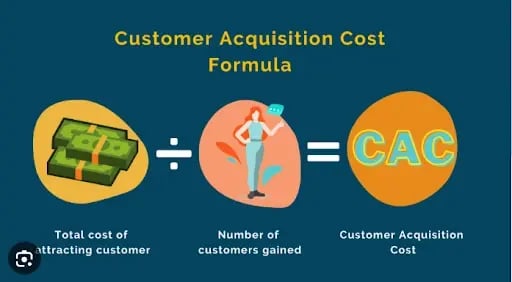
How to Calculate Customer Acquisition Cost (CAC Formula)
CAC = Total Sales & Marketing Spend / Customers Acquired
What to include:
- Paid ads and media spend
- Sales and marketing salaries
- Tools, software, and CRM costs
- Agency and consultant fees
What to exclude:
- Product development costs
- Customer support for existing users
- Operational expenses not tied to acquisition
What Is a Good CAC? (Benchmarks by Industry)
Good CAC: SaaS vs D2C vs B2B
- SaaS: Higher CAC is acceptable if retention and lifetime value are strong
- D2C: CAC needs to be tightly controlled due to thinner margins
- B2B: CAC is usually higher, but offset by larger deal sizes and longer contracts
|
Industry-wise CAC Benchmark |
In INR (Approx. value) |
|
Arts and entertainment |
~ 1900 |
|
Health and beauty |
~ 11,000 |
|
Fashion and accessories |
~ 11,800 |
|
Home and furniture |
~ 12,000 |
|
Electronics |
~ 34,000 |
Source: https://www.shopify.com/in/blog/customer-acquisition-cost-by-industry
Why High Customer Acquisition Cost Is a Growth Killer
High CAC doesn’t just affect your marketing budget. It quietly eats into profits, slows down scale, and puts constant pressure on growth teams to “spend more to grow more.”
In 2026, when ad costs are only getting higher and attention spans are shorter, high CAC can become the biggest reason a business stalls, not scales.
If you’re acquiring customers at a cost that takes months (or years) to recover, growth starts feeling like a treadmill. You’re running hard, but not really moving forward.
CAC vs Customer Lifetime Value (CLV)
CAC on its own doesn’t tell the full story.
The real problem begins when CAC grows faster than CLV.
Ideally, the value a customer brings over time should comfortably outweigh what you spent to acquire them. But when that balance flips, things go downhill fast.
Why does high CAC with low CLV destroy margins?
When CAC is high and CLV is low, every new customer actually adds pressure instead of profit.
You spend heavily on ads, offers, and onboarding, but the customer buys once, uses a discount, and disappears. There’s no repeat purchase, no loyalty, no long-term value.
The result?
- Thinner margins
- Longer payback periods
- Less cash to reinvest in growth
At scale, this becomes dangerous. You’re growing revenue on paper, but profitability keeps slipping away.
Hidden Costs Most Businesses Ignore
CAC is not just what you pay Meta or Google. Many costs stay hidden until they pile up.
-
Discounting
Heavy discounts can inflate conversions, but they quietly increase CAC. You may acquire more customers, but at a lower profit per order.
Worse, some customers start waiting for discounts and never buy at full price again.
You’re not acquiring loyal customers. You’re training deal hunters.
- Free trials abuse
Free trials are great in theory, but in practice, many users sign up with no intent to pay. They use the product, extract value, and leave.
This increases onboarding, support, and infrastructure costs without adding revenue, pushing your real CAC much higher than it appears on dashboards.
- Unqualified leads
Not all traffic is good traffic.
When campaigns attract users who aren’t the right fit, sales teams spend time chasing leads that never convert.
You pay for clicks, follow-ups, demos, and support, only to realize the customer was never going to buy in the first place.
- Sales inefficiencies
Long sales cycles, manual follow-ups, poor lead scoring, and disconnected tools all increase acquisition costs.
Every extra call, email, and delay adds to CAC, even though it rarely shows up as a line item.
How to Reduce Customer Acquisition Cost in 2026 (11 Proven Strategies)
You can reduce CAC without finding cheaper ads. Here’s how you can decrease customer acquisition costs:
1. Focus on High-Intent Audiences Only
If you’re trying to reduce customer acquisition cost, the first thing to stop is broad, vague targeting. Casting a wide net might look good in dashboards, but it usually attracts people who are curious, not ready to buy.
To lower customer acquisition costs, you need to focus on intent, not volume.
Target users who are actively searching, comparing, or showing buying intent. Keywords, on-site behavior, and past interactions matter more than demographics alone. This is how to reduce the cost of customer acquisition.
2. Improve Conversion Rate Before Increasing Traffic
One of the fastest ways to reduce customer acquisition cost is to improve what happens after users land on your site.
CRO reduces CAC without spending more on ads. You get more customers from the same traffic.
- Better UX = lower CPA
If users understand your value quickly, they convert faster. Confusion always costs money.
- Faster pages, fewer form fields, clear CTAs
Slow load times, long forms, and vague CTAs silently kill conversions. Small fixes here can drop CAC dramatically.
Before increasing traffic, ask: “Are we converting well enough already?” If not, more traffic just means more wasted spending.
3. Retarget Instead of Reacquiring
Cold acquisition is expensive. Retargeting is not.
Users who have already interacted with your brand cost far less to convert than someone seeing you for the first time.
- Retargeting costs less than cold acquisition: They already know you. They just need a reminder.
- Email and paid retargeting combined: When you combine email follow-ups with paid retargeting ads, you can generate a stronger recall. This means there’s a higher chance of conversions.
- Cart abandonment & page-view retargeting: Target users who viewed products, added to cart, or spent time on key pages. These are high-intent users you’ve already paid to acquire once. You can reduce cart abandonment with Snapmint.
Every conversion from retargeting directly helps lower customer acquisition costs.
4. Increase Customer Retention to Automatically Reduce CAC
Retention is the most underrated CAC reduction strategy.
When customers come back on their own, your blended CAC drops automatically. No extra ad spend required.
Repeat purchases spread the original acquisition cost across multiple orders. Simple loyalty rewards, better onboarding, and clear product education keep customers engaged longer.
How to Reduce Cost Per Acquisition (CPA) Without Increasing Ad Spend
Reducing cost per acquisition is equally important for any business owner. With high CPA, you will grow, but the growth will be expensive and unpredictable.
Thankfully, you can reduce cost per acquisition without increasing Ad spend with these strategies:
5. Improve Ad Relevance & Quality Score
Platforms reward ads that feel relevant to users. So, to improve quality score, make sure your ads are relevant, which basically means a lower CPA.
Ads that clearly communicate value and solve a real problem get higher click-through rates, which helps reduce costs.
Know this: when your ads and landing pages speak the same language, conversions feel natural, not forced.
6. Pause Channels That Don’t Bring Profit
Analyse the CAC by channel and look where your profits are coming from, which channels bring in the money, not just traffic. Honestly, high impressions and clicks mean nothing if they don’t lead to conversions.
Pause channels that don’t deliver ROI to save on your investments.
7. Use First-Party Data & Lookalike Audiences
First-party data is one of the strongest tools to lower CPA.
Target users who have already shown interest through site visits, past purchases, or engagement.
The closer your targeting is to real buyer behavior, the less you pay for each acquisition.
Optimize the Sales Funnel to Reduce CAC at Scale
Optimising your sales funnel is one of the most efficient ways to reduce CAC at scale.
8. Identify Drop-Off Points in the Funnel
Figure out where you are facing maximum drop-offs in the funnel.
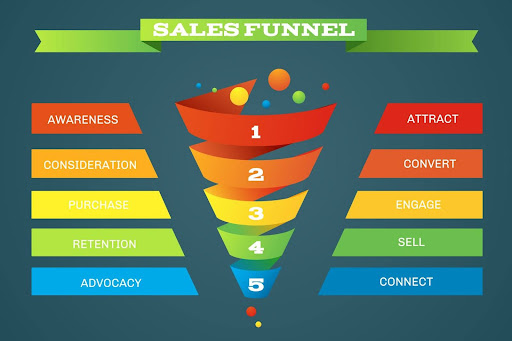
Awareness → Consideration → Conversion
- If there’s a leak at the awareness stage, the problem is usually targeting or messaging. This means you are not attracting the right traffic.
- At the consideration stage, users are interested but not convinced. This can be due to unclear value propositions or missing trust signals.
- If there’s a drop-off at the conversion stage, it is usually caused by friction, not intent. You need to solve affordability issues by offering EMI on UPI or pay later options to your customers.
Snapmint integration is the most effective way to reduce drop off due to affordability constraints. Use Snapmint to offer no-cost and low-cost EMIs to your customers and prevent the most expensive leak in your funnel.
9. Shorten Time to Conversion
Do not let your customer second-guess their purchase! If you make them navigate from the landing page to the product page to the payment gateway, there’s a high chance they may drop off.
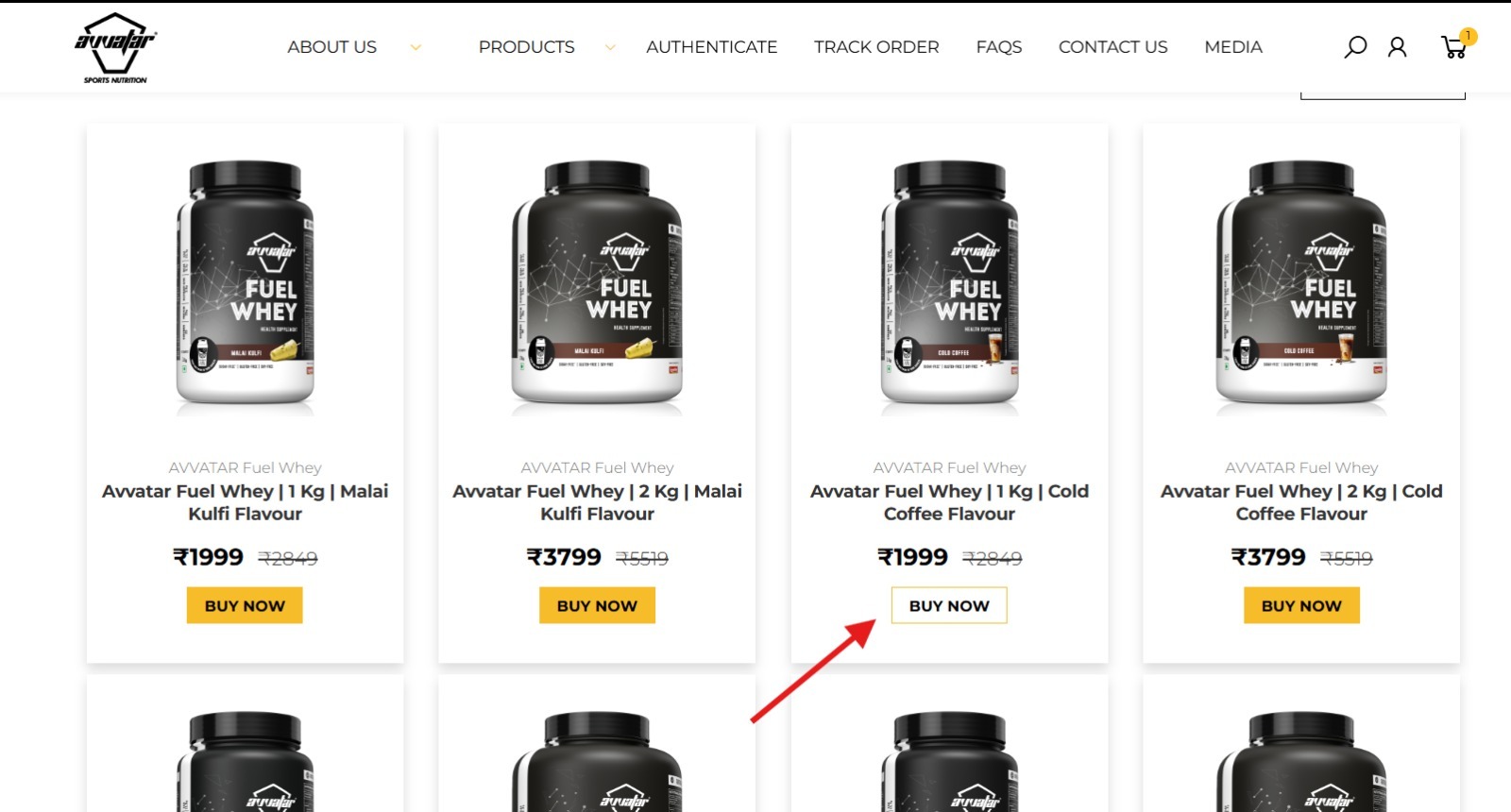
Reduce steps by offering the option to buy at the collection page itself.
Remember, faster decision-making = lower CAC
Use Marketing Automation to Lower Customer Acquisition Cost
The repetitive work can be automated to lower customer acquisition costs. Marketing automation helps you convert more users without adding headcount or ad spend.
10. Email Nurturing for Lead Warming
Warmer leads = cheaper conversions
Use automated email to educate users, address objections, and build trust over time. By the time they convert, they need fewer ad touchpoints and less persuasion.
Share use cases, FAQs, and social proof.
11. CRM + Automation = Fewer Manual Costs
This helps lower operational CAC. When you deploy CRM with automation, your sales team is free to close sales instead of chasing leads.
Automation doesn’t just save time. It makes every acquisition more efficient and more affordable.
Low-Cost Customer Acquisition Strategies That Actually Work
Understanding how to reduce the cost of customer acquisition is not enough. Every brand relies on customer acquisition, and it is essential to know how to acquire customers at a lower cost for optimum business growth.
Here are the strategies for low cost customer acquisition:
1. SEO & Content Marketing (Lowest CAC Over Time)
Search engine optimization (SEO) gives you organic growth which has the highest long-term growth potential.
Without running any ads, you can acquire relevant customers by posting evergreen blogs on your website that attract transactional customers.
Tip: Focus on BOFU (Bottom of Funnel) content, so that you can convert the organic traffic that SEO brings to your website.
2. Referral & Word-of-Mouth Programs
Word of mouth is the best low cost customer acquisition strategy. When you focus on giving your customers the best user experience, they will naturally promote your product.
To promote this, you can also have a referral program for your existing customers where you incentivize them to bring more customers on the website.
Referrals and word-of-mouth publicity have zero upfront acquisition cost.
3. Affiliate & Partner Marketing
Affiliate marketing is the booming trend that requires your attention if you are not already leveraging it!
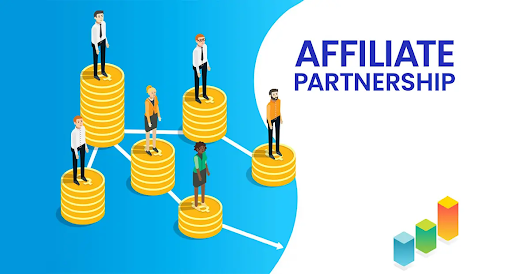
Whether you reach out to influencers or other websites, adding affiliate links is the best strategy for low acquisition cost.
The best part about affiliate & partner marketing is that you pay only on conversions. So, if you are looking to decrease customer acquisition costs, affiliate marketing is the way to go!
4. Community-Led Growth
Community-led growth works because it shifts acquisition from paid persuasion to earned trust.
When customers engage with your brand inside a community like WhatsApp, Slack, or Discord, this social proof shortens decision-making and removes hesitation.
Brand trust reduces acquisition friction, which reduces customer acquisition cost.
Common Mistakes That Increase Customer Acquisition Cost
To decrease customer acquisition costs, you need to be aware of the mistakes brand owners make that actually increase your CAC. Knowing these mistakes help you actively avoid them and actually reduce CAC:
-
Scaling ads before product-market fit
Running bigger ad budgets won’t fix a product that doesn’t fully resonate yet. When product–market fit is weak, users click, explore, and leave.
You end up paying repeatedly to acquire customers who were never fully convinced, which drives CAC higher with every scale attempt.
-
Ignoring retention
Focusing only on acquisition while neglecting retention is one of the fastest ways to inflate CAC. If customers don’t come back, every sale depends on fresh ad spend. So, you should focus on retention.
-
Chasing traffic instead of conversions
High traffic numbers look impressive, but they don’t pay the bills.
When you chase clicks, impressions, or reach instead of conversions, you basically just attract low-intent users. More visitors, same conversions, higher CAC.
So, to lower customer acquisition costs, focus on conversions, not traffic.
-
Measuring CAC incorrectly
You might be making the mistake of underestimating the CAC by looking only at ad spend.
True CAC includes the discounts and offers you give, the sales and support costs, and the operational effort.
When CAC is measured incorrectly, decisions are made on incomplete data. Result? Your margins shrink.
Final Thoughts: Reduce CAC, Increase Profitability with Snapmint
CAC reduction is a system, not a hack!
Balance acquisition, retention, and lifetime value, and you will see a significant reduction in your CAC. Focus on low-cost, compounding channels like SEO to reduce CAC while gaining organic traffic.
Build trust and loyalty, instead of running behind new customers, especially if you are a new start-up.
Snapmint can help you reduce CAC and build a loyal customer base by offering affordability solutions like EMI on UPI and pay later options. Snapmint has given proven results to 1200+ Indian brands, contributing to 40% higher AOV, 30% surge in conversion, and 20-25% higher GMV.
.png?width=1700&height=616&name=Group%201597882553%20(1).png)
FAQs